The Harney View environment consists mostly of mature second-growth forest, and some open areas. The beauty and serenity of the natural environment give the development a unique character and is one of the main reasons why we love living here.
Below are a few of my favorite observations. Have you seen anything unique or interesting? Let us know!
Green Crab Monitoring
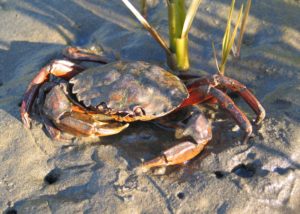
The green crab has been threatening our region with an invasion for years and very recently the population has exploded in some areas and severely degraded the ecosystems.
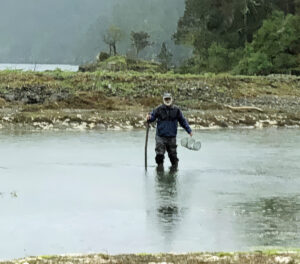
Ken Carrasco in his natural environment. Photo by Marta Branch
European green crab- courtesy of Sean McDonald, Washington Sea Grant
The Washington Sea Grant‘s Crab Team monitors the area for green crab. Marine biologist, Ken Carrasco has volunteered to coordinate the survey, collecting and any other activities with Sea Grant.
Monitoring involves a 2-hour visit twice a month during the monitoring season, April-September. During these visits, monitors conduct a 50m shoreline survey, search for molts, and set traps the first day and retrieve them the second day.
The Washington Sea Grant‘s Crab Team monitors the area for green crab. Marine biologist, Ken Carrasco has volunteered to coordinate the survey, collecting and any other activities with Sea Grant.
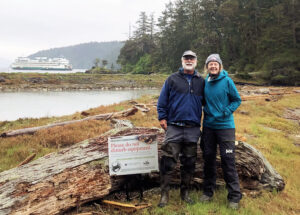
Ken Carrasco and Julia Soes during the April 2024 survey. Terry Turner & Amy Sprenger also participated. Photo by Marta Branch
Sampling Results: April 2024
Report by Ken Carrasco:
The Invasive Green Crab Monitoring Team of Double Cove have begun our annual sampling. Our first survey was in late April (fairly chilly and wet). We’ll be sampling monthly into October again. So far, so good. No green crab have been trapped.
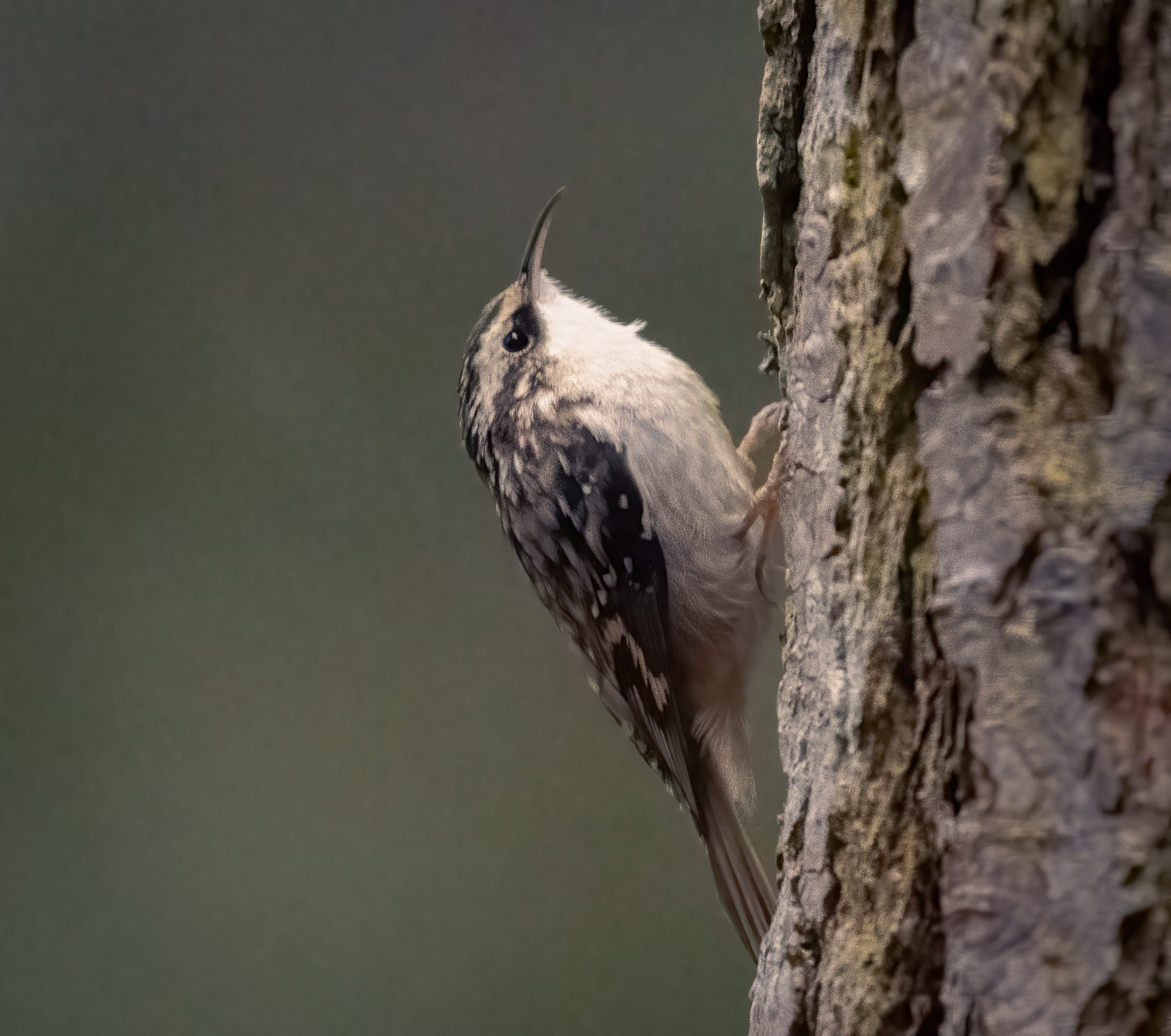
Brown creeper
Brown creeper (Certhia americana)
Wildlife managers sometimes use the Brown Creeper(Certhia americana) as an indicator species of mature forests. I saw this one from my deck.
Brown creepers are songbirds that have adapted to a woodpecker lifestyle. However, they retained the songbird toe structure (3 toes in front and one behind), so they almost exclusively perch face up. If you see a tiny bird, that looks like a Nuthatch, running straight up a tree trunk and then fly down to the bottom of the next tree, to start all over again, it is almost certainly a creeper.
Pacific Yew
The bark of the Pacific Yew has led to the discovery of Taxol, an important chemotherapy drug.
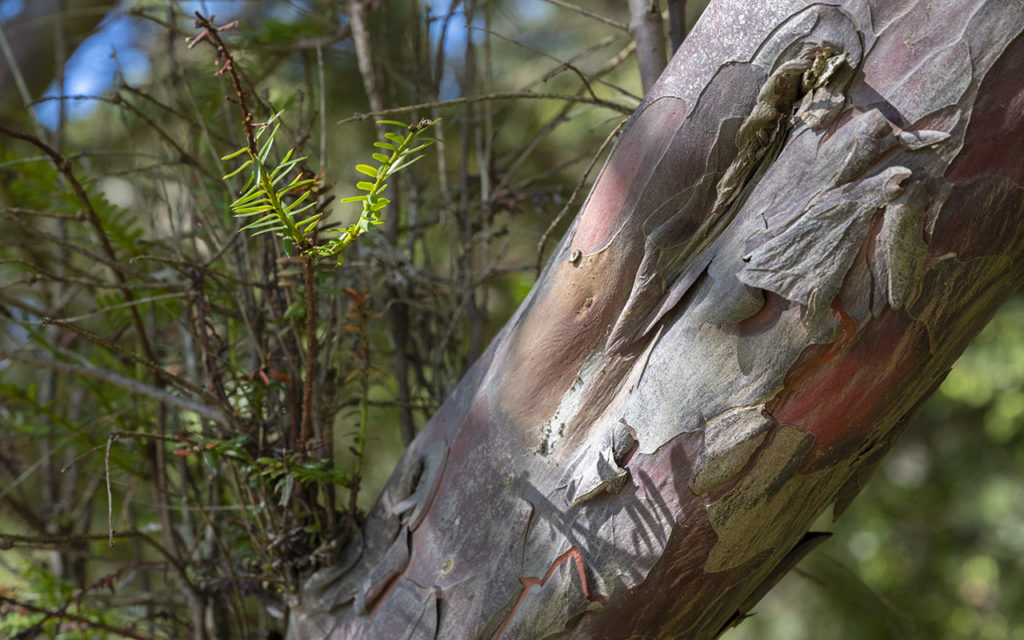
Bark of a Madrone and leaves of a Redwood
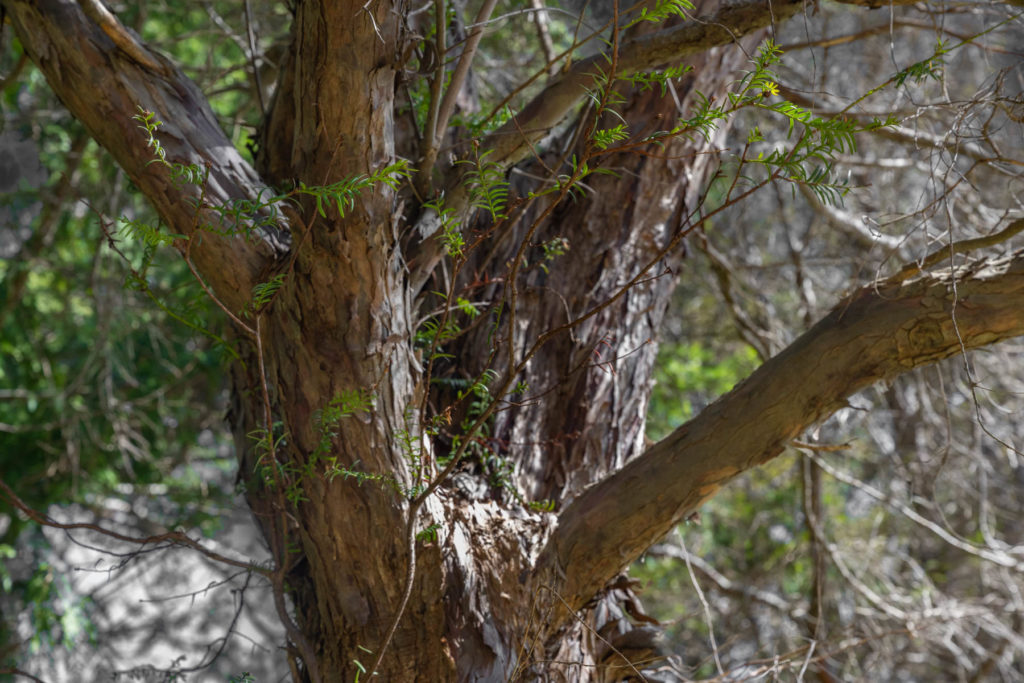
We are fortunate to have several mature Pacific Yew trees at the Harneyview Park.
These unassuming evergreen trees are very slow growing and traditionally the tough wood was used by Native Americans to make tools and weapons, while the foliage and bark were used for medicinal purposes.
In the early sixties scientists found that crude extracts of the bark showed anti-cancer activity. The active compound, paclitaxel (taxol) has been developed into a chemotherapy drug for ovarian cancer. It has also been approved for the treatment of advanced breast cancer, AIDS-related Kaposi’s sarcoma, and several other applications. The drug is produced via a semi-synthetic pathway so the Pacific yew has never been commercially harvested at a large scale. Unfortunately it is still in decline with a conservation status of near threatened.
To spot them, look for thin scaly bark over red to purplish-brown wood, very similar to a Madrone. The leaves are spear-like (lanceolate) in two flat rows either side of the stem, very similar to those of the coastal redwoods.
Native orchids
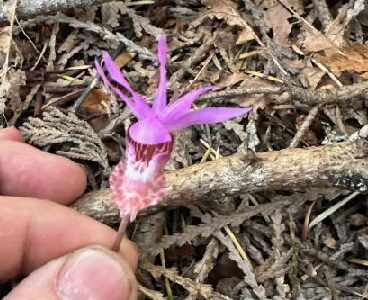
Western Fairy-Slipper (Calypso bulbosa var. occidentalis) Image contributed by Karl Anuta
This Fairy Slipper orchid was photographed on one of the Harney View properties.
We associate orchids with warmer climates, but it turns out there are several orchid species native to the Pacific Northwest. Most of them are white and I am sure I must have walked past many of them blissfully unaware.
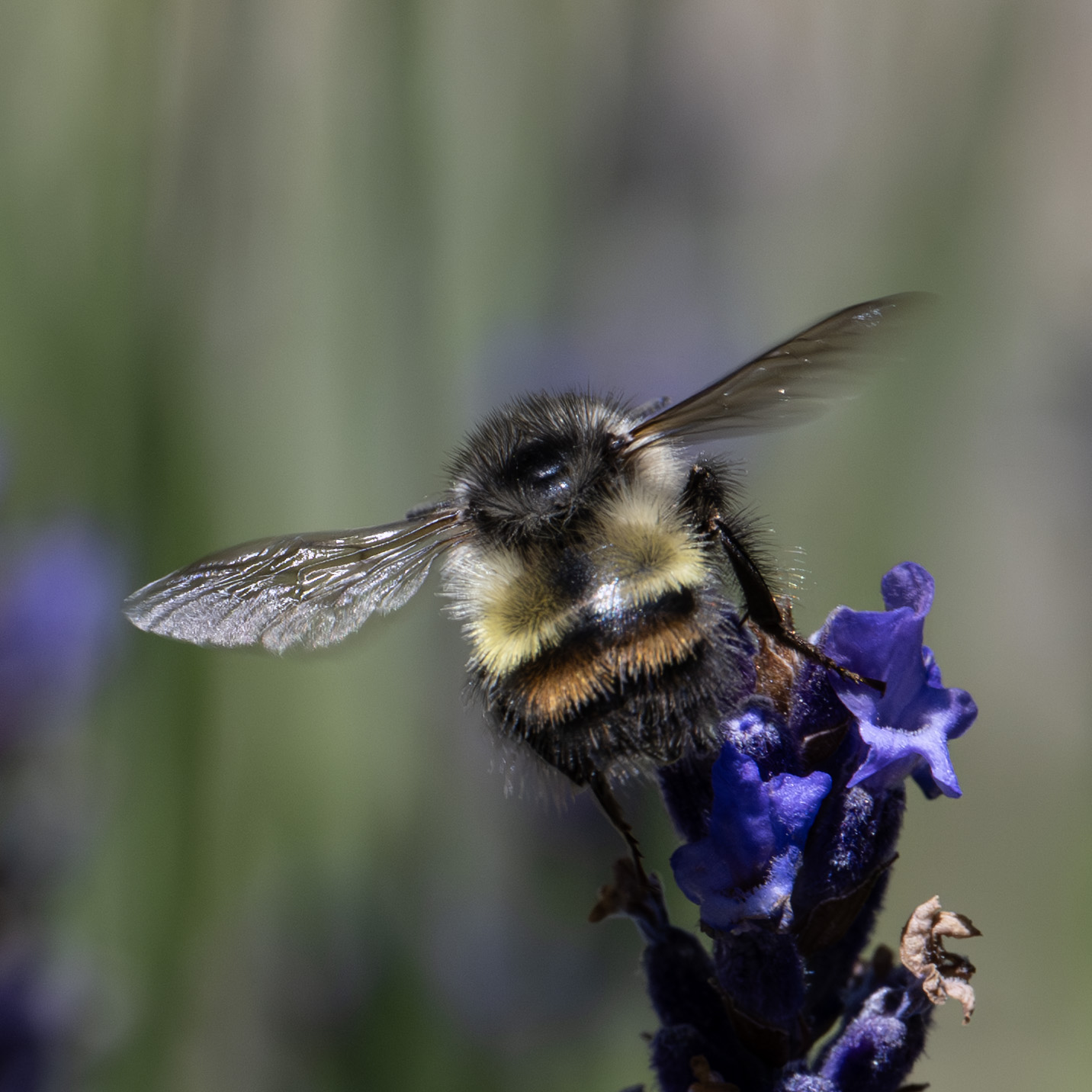
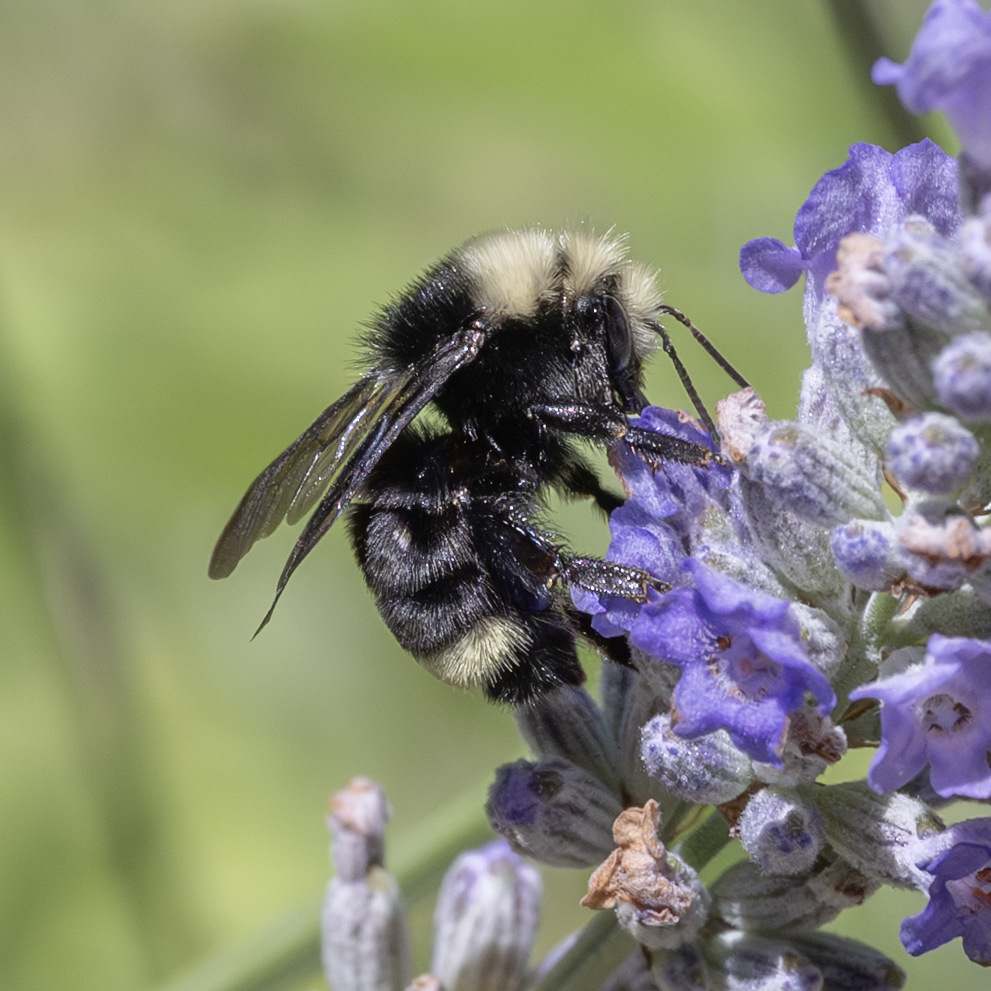
I found 3 species of bumble bee in my garden (Yellow bumble bee, Black-tailed bumble bee and Yellow-faced bumble bee)*, and I suspect there may be more. The species diversity is another good sign of a healthy environment. I did not realize there were so many bumble bee species until I noticed the striking, black B. vosnesenskii. They are used as highly effective pollinators of greenhouse tomatoes. *Please contact me if you if you are a melittologist who can improve my identifications.
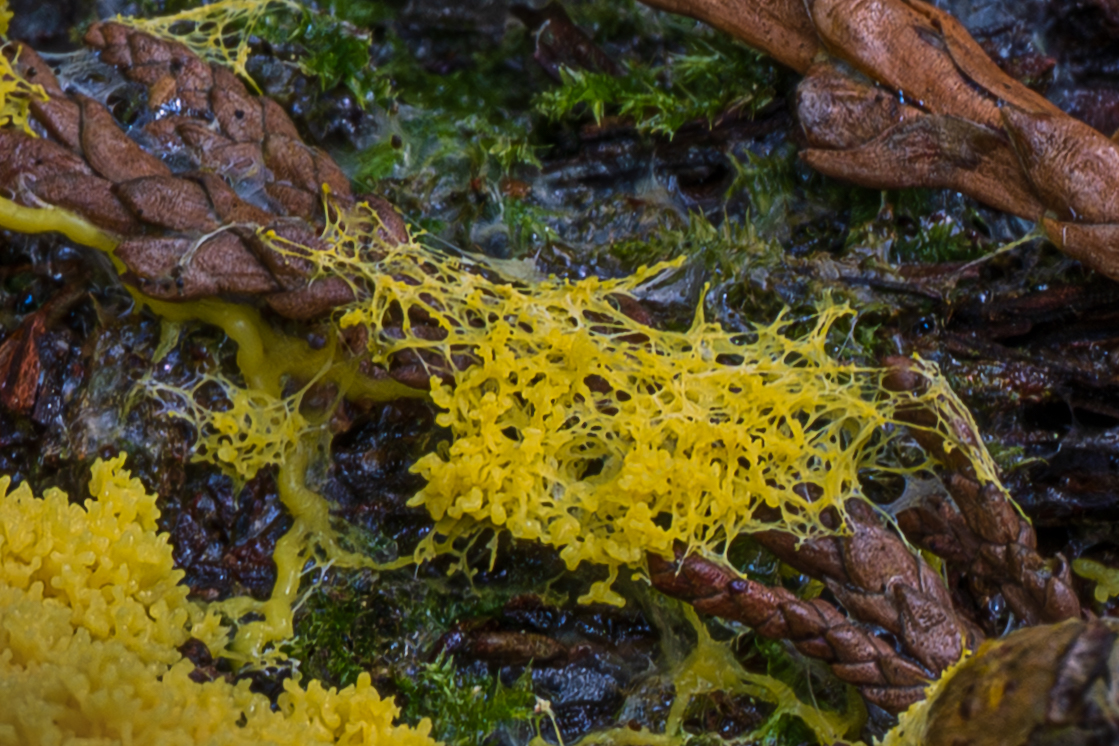
The yellow pigment, fuligorubin A, chelates metals and convert them to inactive forms. This allows the organism to tolerate extremely high levels of zinc and other metals. Extracts from F. septica has antibacterial and antifungal characteristics, as well as cytotoxic activity against some human carcinoma cell lines.
Fungal fungus parasite
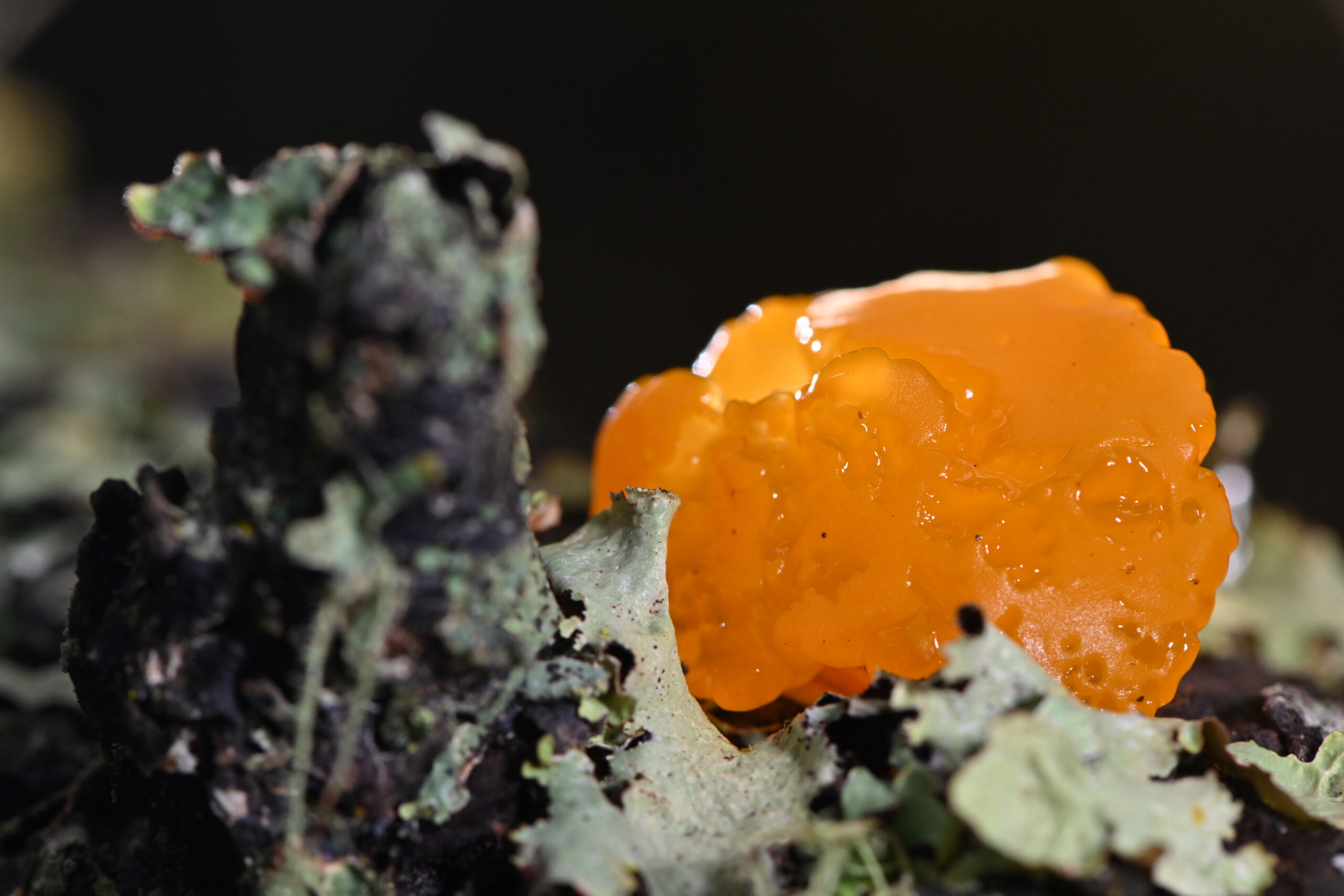
The orange Witches' butter is a parasite of the white Peniophora fungus below it
Tremella mesenterica is a parasite of Peniophora fungal plant pathogens . The Peniophora is the white fungus beneath the orange blob in the picture.
Tremella species produce polysaccharides that are of interest as a potential therapeutics.
The the common name may originate from Swedish folklore about witchcraft, in which bile spewed up by gorged “Carriers” is referred to as, “butter of the witches.” The latin name “Quivering middle intestine” is a nice visual.